FindCollectibles Rare finds, real values, collector wisdom.

FindCollectibles

Rare finds, real values, collector wisdom.

Latest Articles

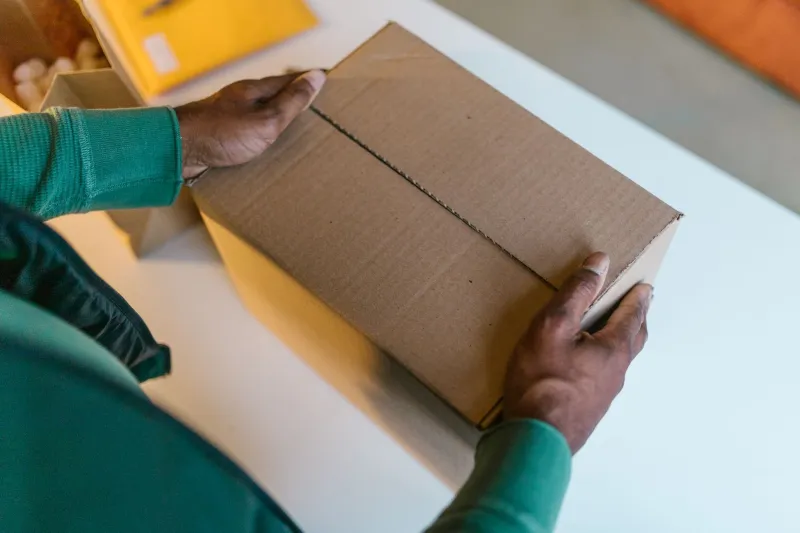
The Curb-to-Trunk Discount: How 'Collection Only' Listings Reward 2026 Collectors Who Drive
Marketplace Trends

The Curb-to-Trunk Discount: How 'Collection Only' Listings Reward 2026 Collectors Who Drive

Local-pickup-only listings chase away plenty of online buyers, and that hesitation is exactly where patient collectors find oversized, fragile, and awkward pieces at a real discount. Here is how to spot the pattern, vet the seller before you drive, and do the pickup math so the bargain survives the trip home.

Estate Sale Strategy

Before You Call the Auction House: Sorting an Inherited Collection in 2026

Inheriting a collection is part windfall, part storage bill, and part family negotiation. This 2026 guide lays out a practical sorting process for US heirs who need to separate keepsakes from sellable inventory without losing money, time, or their sanity.

The Room Is Part of the Listing: Reading Seller Photos Before the Description Loads
Marketplace Trends

The Room Is Part of the Listing: Reading Seller Photos Before the Description Loads

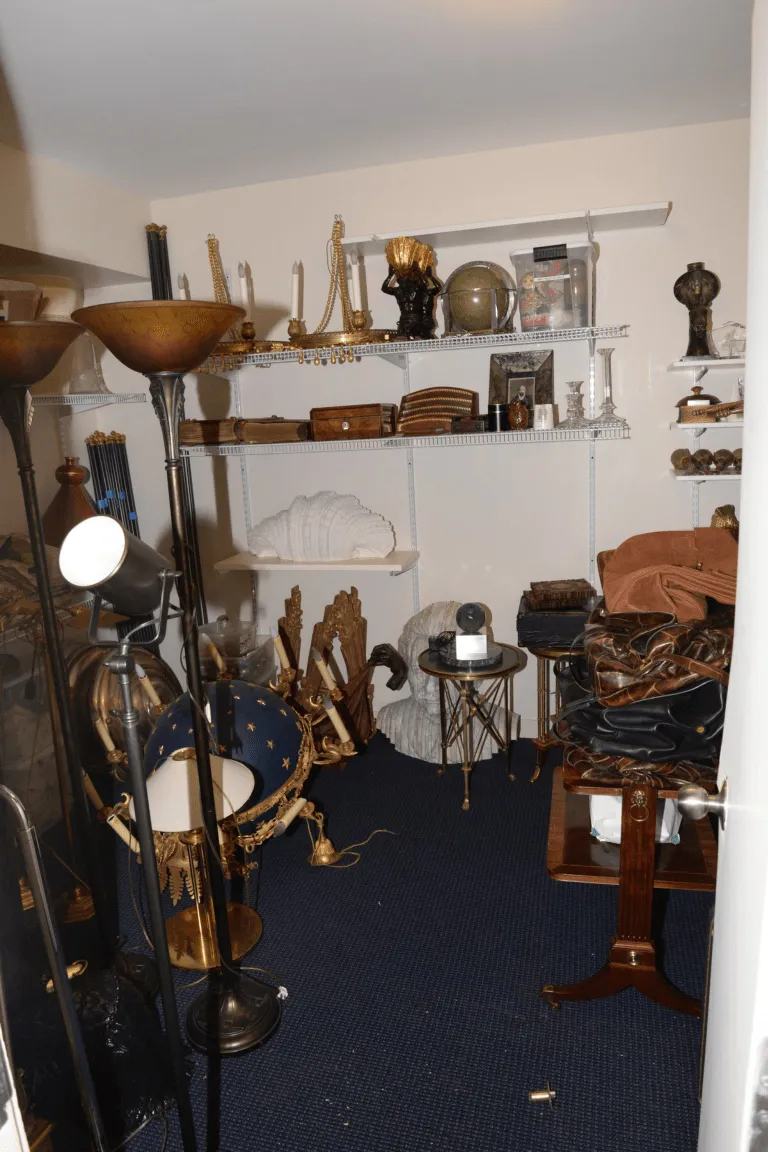
Seller photos are more than a preview of the item—they are a background check on the whole transaction. Here’s a 2026 photo-forensics checklist for spotting storage red flags, seller experience, and negotiation room before you message or bid.

The Box Has a Bill: Pricing 'Mostly Complete' Lots Before the Auctioneer Starts
Collecting & Value

The Box Has a Bill: Pricing 'Mostly Complete' Lots Before the Auctioneer Starts

A mixed lot can look like a shortcut to a grail, but the missing parts and commons come with a real cost. Here is a repeatable pre-bid sheet for pricing 'mostly complete' boxes before you raise a paddle in 2026.

The Middle Rack Pays the Rent: A 2026 Case for $40–$150 Collectibles
Marketplace Trends

The Middle Rack Pays the Rent: A 2026 Case for $40–$150 Collectibles

Grails get the display case and the group-chat hype, but the $40–$150 range often does the actual work in a collection. Here is why mid-tier pieces can move faster, cost less to own, and keep a collector saner in 2026—plus how to tell a liquid middle from a crowded one.

The Quiet Hunt: Why Your Next Grail Should Start in a DM, Not a Public ISO
Marketplace Trends

The Quiet Hunt: Why Your Next Grail Should Start in a DM, Not a Public ISO

Public in-search-of posts feel like a shortcut, but in 2026 they can function as a public price signal. Flippers, sellers, and even other buyers read your urgency, budget hints, and condition tolerance. The quieter route — a private want list, saved-search alerts, and dealer back channels — usually costs less and finds better pieces.

The Algorithm Doesn’t Collect: How to Spot Real Scarcity Before Social Media Does
Marketplace Trends

The Algorithm Doesn’t Collect: How to Spot Real Scarcity Before Social Media Does

A viral post can make any dusty shelf find look like the next grail — until the listings multiply and the sold prices stall. Here’s how US collectors can separate organic scarcity from feed-fueled hype, time the post-viral drop, and use a 30-day cooldown to avoid paying the viral tax.

The Second Opinion Premium: When a Formal Appraisal Beats Free Sold Comps in 2026
Collecting & Value

The Second Opinion Premium: When a Formal Appraisal Beats Free Sold Comps in 2026

Sold-listing research is free, fast, and often enough. But there are moments when paying a professional appraiser in 2026 is the cheaper move over the long haul. Here is a practical framework for deciding when the appraisal bill earns its keep.

The Paper Trail Advantage: Fact-Checking Collectibles With Vintage Dealer Catalogs
Collecting & Value

The Paper Trail Advantage: Fact-Checking Collectibles With Vintage Dealer Catalogs

Old dealer catalogs and manufacturer sell sheets cost a few bucks at paper shows and estate lots, but they can correct the story modern listings tell. Here’s a practical routine for dating them, reading SKUs and wholesale columns, and spotting mislabeled finds without turning a $5 pamphlet into gospel.

The Fine Print Is the Find: Hunting Promo Collectibles That Actually Hold Value
Collecting & Value

The Fine Print Is the Find: Hunting Promo Collectibles That Actually Hold Value

Promo pieces can be genuinely scarce, but the market around them is thin and noisy. Here’s how to separate documented demand from wishful listings, judge condition and provenance, and build a promo hunt that fits a collector’s budget in 2026.

The Receipt Beats the Sticker: Reading Sold Listings in 2026
Marketplace Trends

The Receipt Beats the Sticker: Reading Sold Listings in 2026

Asking prices are wishful thinking; sold prices are receipts. This 2026 guide shows collectors how to read completed listings on eBay, auction archives, and regional sales, weed out shill bids and one-off outliers, and build a value range that holds up when real money changes hands.

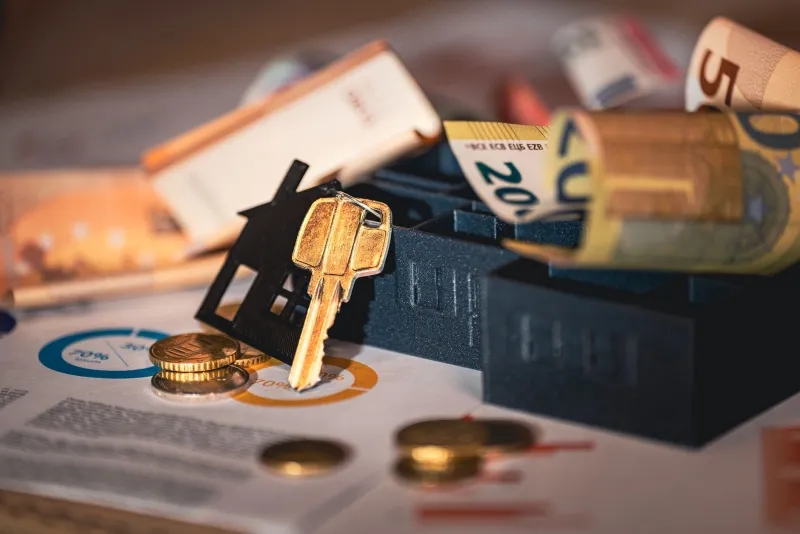
The Coverage Gap on Your Shelf: What Collectors Need to Know About Insurance in 2026
Collecting & Value

The Coverage Gap on Your Shelf: What Collectors Need to Know About Insurance in 2026

You probably know what your best pieces are worth on the open market. That doesn’t mean your homeowners or renters policy sees them the same way. Here’s a plain-English way to decide when a collection needs a rider, a separate policy, or simply better records.

The Carton Premium: Why the Box Now Outruns the Toy in 2026
Collecting & Value

The Carton Premium: Why the Box Now Outruns the Toy in 2026

Original boxes, inserts, and factory paperwork have turned into the value story of 2026 — sometimes worth more than the piece inside. Here's where the premium is real, how to spot a reproduction carton or a swapped insert, and how to decide when paying up for packaging is smart instead of sentimental.

The Empty Shelf Test: A 2026 Collector’s Guide to Buying What Actually Fits
Collecting & Value

The Empty Shelf Test: A 2026 Collector’s Guide to Buying What Actually Fits

In 2026, the cost of keeping a collectible is part of its real price. Here’s how display limits, storage friction, and crowded cabinets are changing what American collectors buy—and how to audit your own collection footprint before the next find comes home.

The Last Five Pieces Cost More Than the First Ninety-Five
Collecting & Value

The Last Five Pieces Cost More Than the First Ninety-Five

Almost-complete sets look like the smartest buys at estate sales and card shows, right up until you chase the final few pieces. Here is how to price the finish line before you pay for the starting lineup.

Written-Off Hobbies With Working Markets in 2026
Collecting & Value

Written-Off Hobbies With Working Markets in 2026

Plenty of hobbies get pronounced dead at the kitchen table, usually by someone who does not collect them. Here are five niches with quiet, persistent demand in 2026, plus a scouting checklist for telling a sleeping market from a genuinely expired one.

The Gap Between 'Worth' and 'Cash': A 2026 Collector Liquidity Check
Marketplace Trends

The Gap Between 'Worth' and 'Cash': A 2026 Collector Liquidity Check

Appraisal, insurance, and quick-sale cash are not the same number, and the gap between them is where collectors get hurt. Here is a practical 2026 liquidity check for deciding what to hold, sell locally, or consign.

Do the Math Before the Plastic: 2026 Grading Decisions for Raw Cards, Comics, and Coins
Collecting & Value

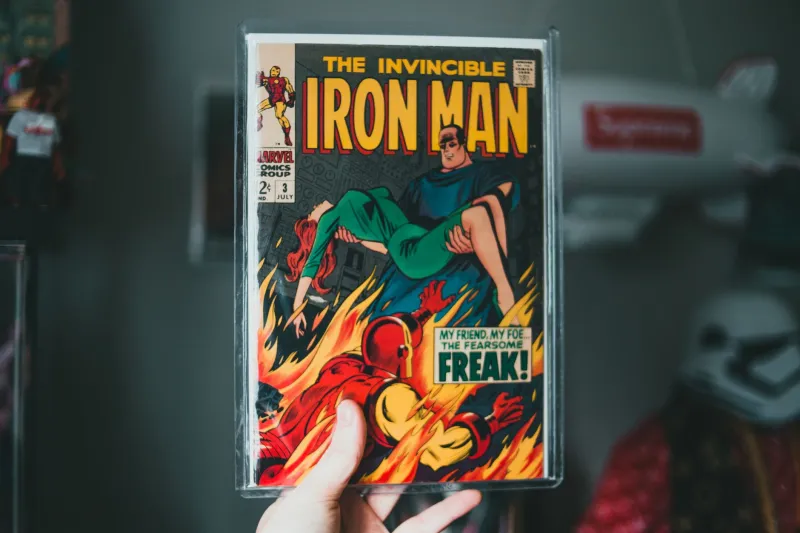
Do the Math Before the Plastic: 2026 Grading Decisions for Raw Cards, Comics, and Coins

Professional grading can turn a raw find into a confident sale, but fees, shipping, and a soft grade can just as easily eat the upside. Here is the 2026 math for cards, comics, and coins, with concrete thresholds and before-and-after examples.

The Small-Town Gavel: Why Regional Auctions Deserve a Spot in Your 2026 Route
Marketplace Trends

The Small-Town Gavel: Why Regional Auctions Deserve a Spot in Your 2026 Route

Saturated online marketplaces and picked-over estate sales have pushed real opportunity toward regional auction houses, especially in smaller US towns. Here is how to find credible sales, read a lot catalog, and bid with premiums, taxes, and thin photos in mind.

Holograms Don’t Close the Deal: A 2026 Guide to Paperwork That Actually Backs Up a Collectible
Collecting & Value

Holograms Don’t Close the Deal: A 2026 Guide to Paperwork That Actually Backs Up a Collectible

A certificate of authenticity can look official and still tell you almost nothing. Here is how US collectors can read provenance, verify issuers, and ask sharper questions before buying autographs, sports memorabilia, or limited editions in 2026.