The Last Five Pieces Cost More Than the First Ninety-Five
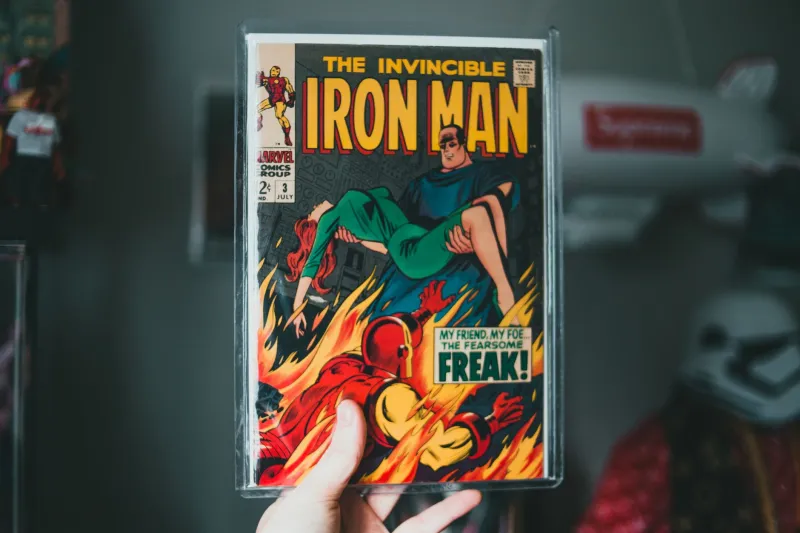
A near-complete set has a special kind of pull. It looks like a shortcut. You see a binder, a box, or a row of comics missing just a handful of issues, and your brain starts doing the happy math: most of the work is already done. At a Wisconsin estate sale or a weekend card show, that feeling can separate a collector from a few hundred dollars faster than a fake autograph story.
The problem is that almost-complete is not a discount. It is a bundle of known pieces and unknown future costs. In 2026, with sold comps available on every phone, there is less excuse than ever for treating the missing pieces as an afterthought. The last five items often decide whether the deal was a bargain or a tuition payment.
The Bargain That Isn't
A complete set has one obvious price: what the market pays for the whole thing. An almost-complete set has a fuzzy price because the seller is really selling you two things at once — the pile in front of you and the chore of finishing it. If the missing pieces are cheap commons, that chore is minor. If they are keys, short prints, or condition-sensitive cards, the chore can cost more than the pile.
This is the completest trap. The closer a set gets to done, the more emotional the finish becomes. Collectors start thinking in terms of closure instead of cost. That is exactly when they overpay for a single missing item, accept a lower-grade placeholder, or buy a second almost-complete lot just to harvest three pieces and then spend a year trying to sell the leftovers.
Do the Missing-Piece Math Before You Pay
Start with a simple rule: the lot price is not the set price. Your real cost is the lot price plus what it takes to finish the set, plus any condition upgrades, plus fees and shipping if you sell the extras. Then compare that number to recent sold prices for a genuinely complete example in similar condition.
Say you find a 1970s baseball set missing six cards for $400. Two of those cards are stars that routinely sell for $75 to $100 each in decent shape. One is a short print that shows up rarely. The other three are a few bucks apiece. Suddenly the $400 lot is a $650 or $700 project before you have even bought a binder. If clean complete sets are selling for $600, the bargain was a mirage.
Run the same math on comics. A run missing one issue sounds nearly done — unless that issue is the classic cover, the first appearance, or the low-print final chapter. Coin date sets work the same way. The common dates are easy; the key date is the entire point. Action figure runs are worse because completeness may depend on accessories, file cards, and whether the paint variant is the one collectors actually count.
Where Almost-Complete Lots Hide Their Teeth
The missing pieces are usually the good ones. Set builders historically kept the stars and traded away the commons. A lot advertised as 95 percent complete may be missing exactly the five cards, comics, or figures that carry the value.
Condition gets fuzzy at the finish. Sellers often call a set complete when it is complete in quantity, not quality. Missing back cards, cut coupons, trimmed edges, replaced staples, and touch-up paint all count as completion problems to a serious buyer.
Variants and printings matter. A set missing one “card” may really be missing a specific back variation, a newsstand edition, a first printing, or a packaging variant. Those distinctions can turn a $5 gap into a $150 gap.
The leftovers are not free money. Duplicates, beaters, and unwanted extras are only worth what someone will pay after you spend time photographing, listing, packing, and shipping them. If you would not buy the leftovers yourself, do not count them as a discount.
A Set, a Run, and a Collection Are Different Things
Part of the trap is language. A complete set has a defined checklist. A run may just mean consecutive issue numbers. A collection may mean whatever the seller decided to put in the box. Before you negotiate, get the checklist straight. Ask whether inserts, promos, variants, and error cards are included. Ask for photos of backs, corners, spines, and copyright pages. Ask the seller to name the missing pieces in writing.
That last request is not being difficult. It is basic diligence. “Almost complete” is a marketing phrase, not a grade. If the seller cannot or will not list what is missing, assume the gaps are more expensive than they look.
When Singles Beat the Lot
Buying singles is usually the better move when the missing items are keys, high-grade condition challenges, or volatile pieces you do not want to chase in public. It is also better when you only care about a handful of items and would be stuck storing the rest. The lot wins when the gaps are genuinely cheap, the condition is consistent, and you would enjoy the extras or can move them without much hassle.
A practical buying script helps. Price the missing items using sold listings, not asking prices. Set a hard maximum for the lot based on that math. Then subtract a buffer for surprises: a trimmed page, a hidden reprint, a missing accessory, a cracked slab. If the seller will not budge and the numbers only work with a perfect outcome, walk. There will be another lot.
The almost-complete bargain can be real. It just has to be priced from the finish line backward. Pay for the pile, but budget for the last five pieces first — because in 2026, those final pieces are where the expensive part of the bargain usually lives.