The Box Has a Bill: Pricing 'Mostly Complete' Lots Before the Auctioneer Starts
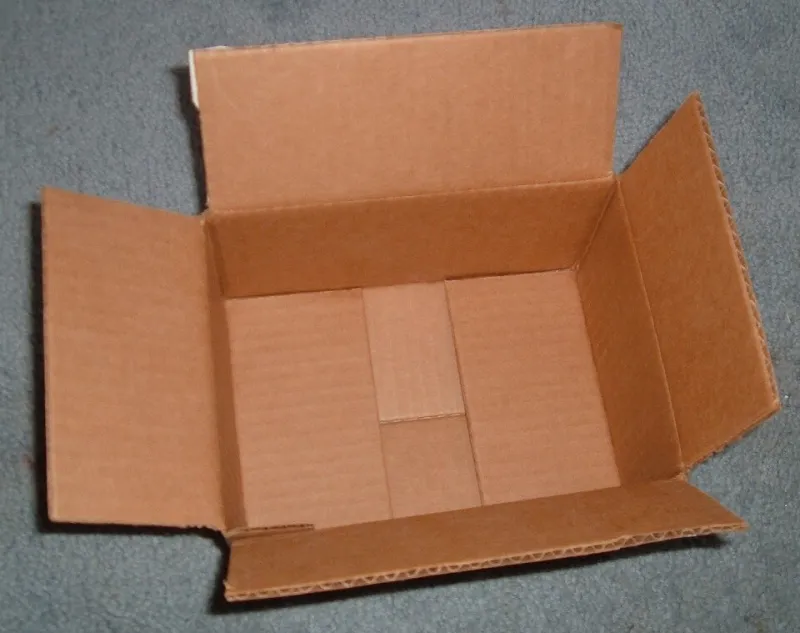
Photo: ArnoldReinhold, CC BY-SA 3.0, via Wikimedia Commons
Bulk lots are the collectible world's version of a buffet: the price looks reasonable because you are buying a little of everything. But a box labeled 'mostly complete' is not a discount. It is a project with a lid. The anchor piece gets your attention; the missing parts, faded boxes, and stack of commons set the actual bill. Before you raise a paddle in 2026, price the box like small inventory, not a treasure chest.
Start With the Anchor, Not the Box
Every mixed lot has one piece doing the emotional work. Maybe it is a die-cast car with decent paint, a comic with a major first appearance, or a board game from the 1980s with most of the pieces still in the tray. Find realistic sold comps for that exact item in that exact condition. Not the highest asking price. Not a graded example if yours is raw. Not a sealed box if yours is open and faded.
Then ask a blunt question: if the anchor disappeared, would I bid $20 for the rest? If the answer is no, you are not buying a lot. You are buying one item and renting a storage problem. That is fine if the anchor is genuinely worth it, but do not let the box convince you the commons are free.
Build a Three-Pile Estimate
Split the lot into three piles before the auction starts. Pile A is the anchor. Pile B is mid-tier stuff that sells, but slowly. Pile C is commons, duplicates, and damaged pieces that nobody is searching for.
Be conservative with sell-through. A common mistake is multiplying every item by a sold price and calling that the value. A better estimate looks like this:
- Anchor: $160 realistic gross after checking completed sales
- Mid-tier: 8 pieces at $25 each, but only about half sell within 90 days, so $100 realistic gross
- Commons: 40 pieces at $6 each, but maybe 10 percent move, so $24 realistic gross
- Realistic gross: $284
That number already feels smaller than the sticker on the box. It gets smaller still once you subtract the bulk lot tax.
The Bulk Lot Tax Is Mostly Time
Sorting, cleaning, testing, photographing, listing, answering messages, packing, and making trips to the post office all take time. If you would not do that work for free for a stranger, do not do it for free for a box of commons. Put a labor line in your sheet. A floor of $20 per hour is reasonable for most casual sellers.
If the lot will take eight hours to process, that is $160 before you have sold anything. You can choose to ignore that cost because this is a hobby, but ignoring it is different from it not existing. The collectors who get hurt by bulk lots are usually the ones who count the anchor sale and forget the weekends spent listing the rest.
Shipping Is a Line Item, Not a Surprise
Commons are heavy. Boxes are bulky. A $12 sale can turn into a $9 shipping label and $2 in packing materials, and that is before your tape, printer ink, and trip to the counter. Buyer-paid shipping does not cover your labor or the risk of breakage.
Check dimensional weight before you bid. A large but light box can still cost more to ship than a small heavy one. If the lot includes fragile pieces, add packing time and a breakage allowance. For bulky items, plan on local pickup through Facebook Marketplace or Craigslist. If the auction house offers no shipping help, that is a cost, not a convenience.
The Storage Clause
Unsold inventory occupies space. If 30 percent of the box is still sitting on your shelf after 90 days, assign it a storage cost or make a donation plan. A bargain that occupies a corner of the garage for a year is a layaway plan for regret.
This matters most with 'mostly complete' lots because the missing pieces are often the ones that would have sold. You are left with the parts that complete someone else's project, and those buyers can be hard to find. Price the leftovers at salvage value, not at the hopeful retail price.
Put a Ceiling on the Paddle
Your pre-bid sheet should end with one number: the maximum hammer price you will pay. Build it in this order:
- Estimate realistic gross from the anchor, mid-tier, and commons.
- Subtract marketplace fees, payment processing, shipping supplies, travel, and your labor.
- Subtract a storage or disposal allowance for the leftovers.
- Apply the buyer's premium and sales tax.
- Write down the hammer price that keeps your net where you want it.
For example, if your all-in ceiling is $150 and the house charges an 18 percent buyer's premium plus 7 percent sales tax, your hammer ceiling is closer to $118. Do that math at home. Auction math at the paddle is how boxes become bargains only in hindsight.
A simple rule: if the sheet shows a net under $50, or under 20 percent of realistic gross, pass unless there are personal collection pieces you would pay retail for anyway. If the lot only works because you are assigning zero value to your time, it does not work.
When the Box Still Makes Sense
There is a legitimate case for buying a mixed lot: you want several pieces for your own shelf, and you would pay real money for them individually. In that case, value those keepers at replacement cost and treat the rest as resale inventory. Separate the personal value from the business math so you can see which one is carrying the deal.
A single grail can justify a low-margin box. It cannot justify a box full of faded packaging and commons if you are only buying to flip. Buy the piece, not the box. And if the box has a bill, read it before you raise a paddle.