The Small-Town Gavel: Why Regional Auctions Deserve a Spot in Your 2026 Route
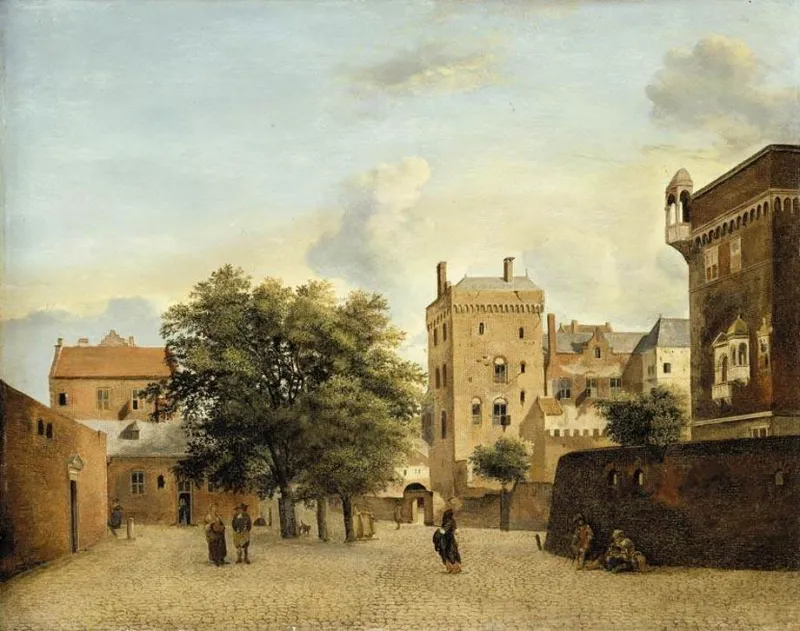
Photo: Jan van der Heyden, Public domain, via Wikimedia Commons
The small-town auction does not look like an opportunity. It looks like a folding table, a handheld microphone, and a parking lot full of pickup trucks. That is exactly why it works. In 2026, the big online marketplaces are picked over by alert armies, and the best estate sales are often cleaned before the second day. Regional auction houses in smaller US towns still get fresh estate contents, local consignments, and niche lots that the national crowd never sees. The gavel is slower. The competition is thinner. The math can be very good.
Why the little rooms still have the goods
A regional auction house lives on repeat business. It handles estate cleanouts, farm dispersals, storage unit buyouts, and the odd attic collection. Those lots come from within a county or two, not from a curated national feed. Local buyers may bid hard on tools, tractors, and furniture, then ignore the box of 1970s trading cards or the shoebox of silver dollars. That is your opening. You are not competing with every search alert in the country at 9 p.m. You are competing with the same thirty people who show up every Thursday.
Finding auctions that are not a waste of a Saturday
Start with AuctionZip and HiBid for regional listings, but verify the house. A legitimate auctioneer should have a state license number, a physical address, clear terms, and a preview time. Check reviews, ask for past auction results, and call with a basic question about payment and pickup. If the listing has no terms, no location, and no way to preview, keep scrolling. Local newspapers, estate attorneys, and county fair boards are also good leads. Small houses often advertise in print before they post online.
Reading a lot catalog like a local
The catalog is not an appraisal. It is a map. Look at lot order, estimates, condition notes, and whether the sale is online-only, live, or hybrid. Read the terms before you fall for a photo: buyer's premium is often 10 to 20 percent, sales tax applies in most states, and online platforms may add a 3 to 5 percent fee. Credit card surcharges happen. Shipping may be available or may be pickup only. A box lot may mean a literal box, a tabletop group, or a pallet. If the description is vague, assume the worst and bid accordingly.
The bid limit is a math problem
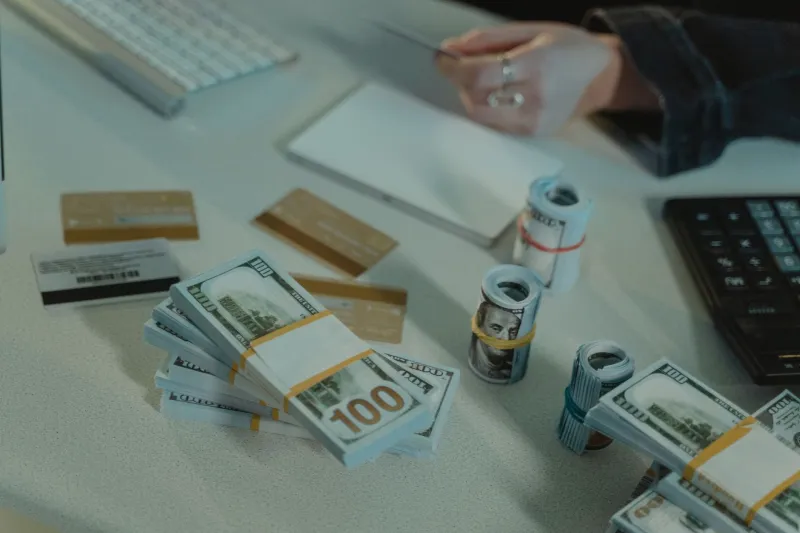
Set your all-in maximum before the auction starts. Write it on an index card and keep it where you can see it. Suppose a lot hammers at $100. With a 15 percent buyer's premium, you are at $115. Add 7 percent sales tax and you are near $123. Add a 3 percent online fee and you are around $127. If you need shipping, add another $20 to $50. That $100 bid is really a $150 purchase. If you would not pay $150 cash at a yard sale, do not bid $100 at the auction.
Box lots when the photos are thin
Sight-unseen box lots are where regional auctions get fun and dangerous. The photos may show one corner of a shelf. The description may say household miscellaneous. Treat that as a gamble, not a treasure map. Ask the auction house for extra photos of specific boxes, request a condition report, and attend preview if you can. Value only the items you can actually see. Assume a third of the box is junk, a third is break-even, and a third might be interesting. Bid for one or two visible pieces, not for maybes. If the box has moisture, pests, or heavy furniture, factor in hauling. The advantage of a cheap box lot is optionality, not certainty.
A quick field checklist
Bring boxes, packing paper, and a friend if you buy bulky lots. Confirm pickup dates and payment methods before you bid. Record hammer prices at a few sales so you learn the local market. Ask which auctioneer is selling the lot you want; some houses run multiple rings. Keep a running total of premium, tax, and fees on your phone. And leave when you hit your limit. The small-town auction rewards patience and preparation, not adrenaline.
The route worth building
A regional auction is not a guaranteed payday. It is a repeatable edge. You learn the houses, the crowds, and the categories that local bidders ignore. You build relationships with auctioneers who will answer a question about a box of coins or a stack of comics. In 2026, the smartest collectors are not just scrolling. They are mapping a route, reading the fine print, and showing up with a limit scribbled on an index card. The gavel is quieter in a small town. That is often the point.