The Empty Shelf Test: A 2026 Collector’s Guide to Buying What Actually Fits
Most collectors have a price they won’t cross. Fewer have a shelf they won’t fill. In 2026, that second number is starting to matter just as much. A $10 flea market find can turn into an expensive tenant if it needs a cabinet spot, a plastic bin, and a corner of the garage you were using for something else. The item didn’t get pricier. The space did.
Call it the shelf-space tax: the ongoing cost—money, room, attention—of keeping a piece after the thrill of the find wears off. It’s not a fee anyone invoices you for. It shows up in smaller homes, crowded display cases, and the storage unit you swear is temporary. And it’s changing what collectors in the U.S. consider a good deal.
The Real Price Tag Includes the Empty Inch
A collectible’s sticker price is only the entry fee. The fuller cost includes the acrylic case, the comic box, the foam padding, the binder pages, and the square footage required to keep it safe. A large vintage toy might be cheap to buy and miserable to store. A single key coin might cost more up front but take up less room than a lunchbox.
That trade-off is getting harder to ignore. Display cabinets are not infinite, closets are already spoken for, and storage units are not getting cheaper. Collectors who once asked “Is this rare?” are now asking a more practical question: “Where exactly is this going to live?”
Why Buyers Are Getting Pickier About Volume
Scarcity still drives value, but display appeal and footprint are becoming part of the conversation. A complete set of anything looks impressive until you need six feet of shelf and a label maker. A single standout piece can deliver more satisfaction per inch. That doesn’t mean smaller is always better—it means collectors are pricing in the hassle.
You can see it in resale priorities, too. Bulky items can be tough to ship, tough to photograph, and tough to sell to buyers who are already maxed out on space. Two collectors can agree an item is rare and still pass because the logistics feel like a second job. In 2026, “easy to live with” is a real feature.
Three Checks Before You Bring It Home
1. Measure the destination, not just the item. Width and height are the obvious numbers. Depth matters just as much. So does door swing, shelf clearance, and whether the piece needs to stay behind glass. If you don’t have a spot for it, you don’t have a purchase—you have a storage problem with a story attached.
2. Run the 90-day visibility test. If a piece is going straight into a bin and won’t come out for three months, be honest about what that means. Storage is part of collecting, but it should be intentional. A bin in the attic is not display. It’s rent paid in square footage.
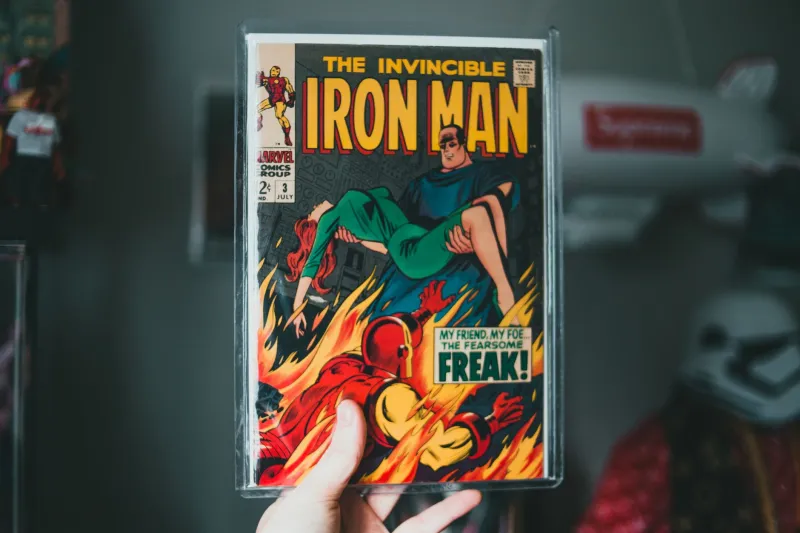
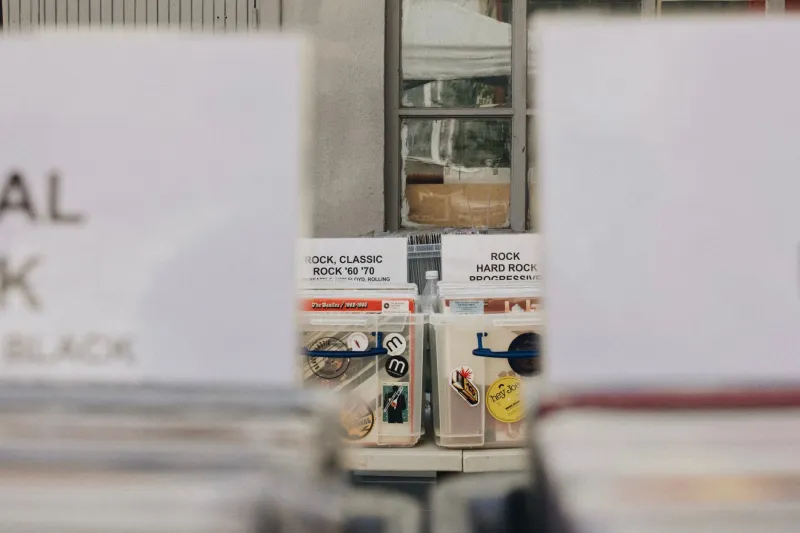
3. Count the support gear. A raw comic needs boards and a box. A graded slab needs a safe stack. A record needs a sleeve and a shelf that won’t warp it. A fragile ceramic needs cushioning and a place away from traffic. The item is only half the footprint.
Pieces That Earn Their Space—and the Ones That Don’t
A piece earns its space when it does more than exist. It might be a focal point, a personal favorite, or something you genuinely enjoy rotating into view. It might have strong resale demand and a compact footprint. It might be the kind of item that makes the cabinet feel finished instead of fuller.
A piece starts becoming expensive clutter when it is a duplicate you keep “just in case,” a project you haven’t touched in two years, or part of a lot you bought for one item and never sorted. Sentimental value is real, and no one is grading your collection on efficiency. But sentimental pieces deserve a place of honor, not a permanent spot under a pile of unsorted inventory.
The 30-Minute Footprint Audit
Pick one shelf, one bin, or one cabinet—not the whole collection. Empty it. Handle each piece and ask three questions: Do I display it? Do I genuinely plan to store it? Would I miss it if it left? Anything that fails all three is a candidate for sale, trade, or donation.
Next, measure the space each keeper really needs. Include cases, boxes, and breathing room. You don’t need a spreadsheet to get useful information. A simple photo log on your phone is enough. Then set a rule for the next purchase. Maybe it’s one-in, one-out. Maybe it’s no new oversized pieces until the storage corner is cleared. The point is to make space a visible part of the budget.
What This Means for Deals
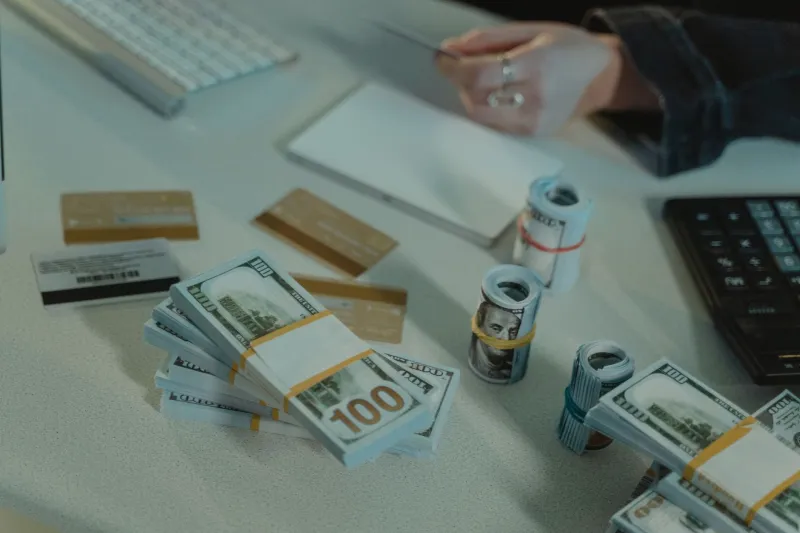
A good deal in 2026 is not just the price on the tag. It’s the purchase price plus the space it consumes plus the friction of eventually moving it along. That cheap oversized find can be a bad deal if it forces a storage run. That pricier small piece can be a better deal if it fits, displays well, and holds demand.
Sellers can use this too. Listing exact dimensions, noting whether an item is display-ready, and offering local pickup for bulky pieces can make a listing more attractive. Buyers are not just shopping for objects anymore. They’re shopping for objects that fit.
An empty shelf is not wasted space. It’s room to choose well. The collectors who thrive in 2026 won’t be the ones with the most stuff. They’ll be the ones who know exactly why each piece is there—and what it costs to keep it.